DPhil Student Spotlight: Anupam Debashis Roy
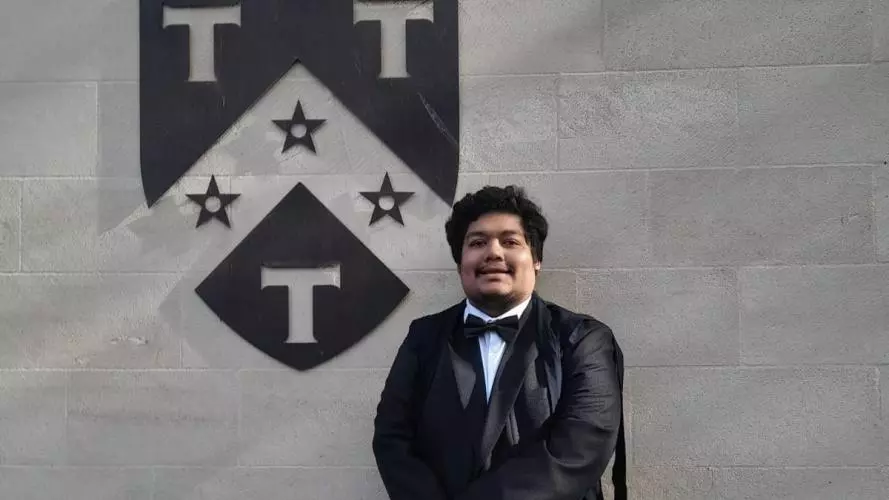
Anupam is a second-year DPhil student, supervised by Professor Michael Biggs. Before coming to Oxford, he completed degrees at Howard University and the London School of Economics.
Alongside his academic work, Anupam has built a diverse professional profile as an activist and author, collaborating with NGOs, founding an online magazine, and lecturing in Bangladesh.
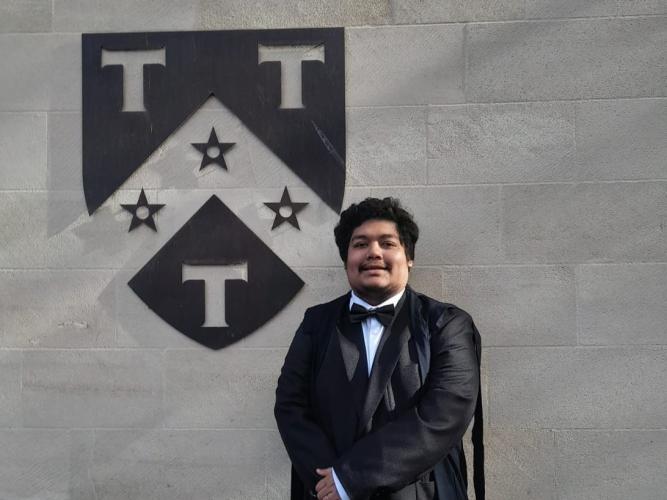
Why do you study sociology?
When I started my academic career, I did not envision myself studying sociology. I wanted to study something related to politics to advance a future career in Bangladeshi politics.
But the more I studied Bangladesh's social movements as an academic and a practitioner, the more I realised that the best way to understand these phenomena was not just through a political lens, but through a broader and more diverse lens that only sociology would provide.
Therefore, I chose to study political sociology, which eventually led me to the mother discipline of sociology itself.
What first attracted you to the Department?
When I was deciding on which course to choose, I looked carefully at the faculty members of various universities and departments. I was immediately attracted to the Department of Sociology at Oxford, not just because of its reputation but also because of the quality of the faculty members who had clear expertise on many topics that related to my research interests.
Especially, I was drawn to Professor Michael Biggs, who had an amazing research portfolio on social movements and previously supervised students interested in the social movements of South Asia and Bangladesh. This seemed especially fascinating to me as not all universities have such a rich faculty who have expertise in such a niche area of research that specifically overlapped mine.
Therefore, I directly reached out to him and he was kind enough to reply and offer encouragement. This solidified my will to apply to Oxford and work under his supervision.
What do you enjoy most about studying in Oxford?
What I have enjoyed most about being a student in the Department is its strong culture of intellectual seriousness combined with openness to methodological and theoretical diversity.
The Department encourages rigorous empirical work while also creating space for debate across traditions, which has sharpened both my analytical skills and my ability to situate my research within wider disciplinary conversations.
What I like most about my course is the freedom to pursue an ambitious, original research agenda with close supervisory support.
The emphasis on independent research, critical engagement with theory, and methodological training has allowed me to develop a project that is both empirically grounded and theoretically meaningful, while benefiting from a vibrant community of scholars working on related questions of power, mobilisation, and social change.
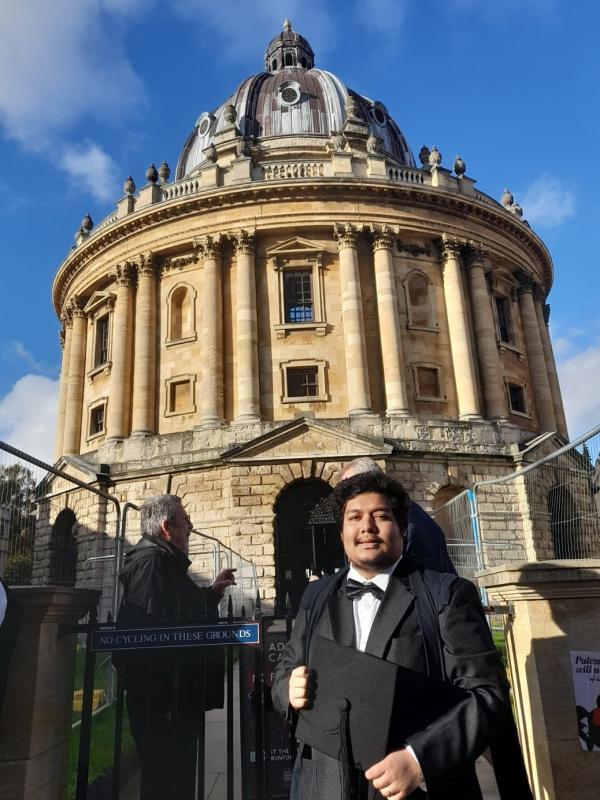
What are your research interests?
My main research interests lie in political sociology and contentious politics, particularly youth mobilisation, protest dynamics, and social movements in the Global South.
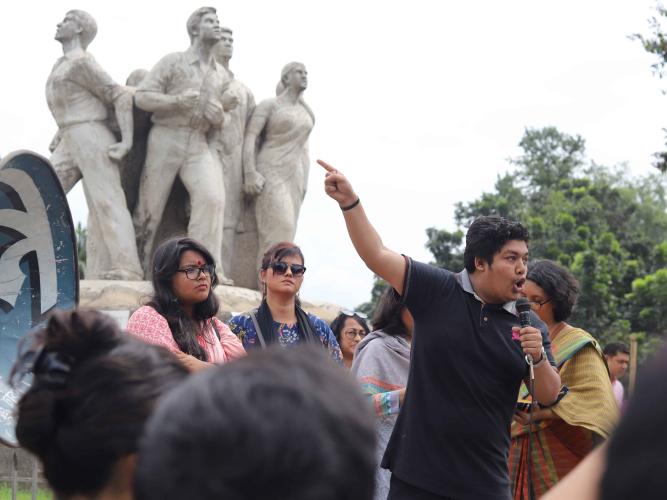
I focus empirically on Bangladesh's student and youth-led movements, exploring how micromobilisation processes, networks, emotions, and critical events shape participation and collective action outcomes.
My approach is mixed-methods, combining qualitative interviews, survey data, and protest event analysis, and my work is situated within broader debates on social movement theory, development studies, and comparative politics, as reflected in my publications and citations on these topics.
I have also worked extensively on issues related to Bangladeshi politics and society, including the Chittagong Hill Tracts crisis and Bangladesh-India border crisis.
A list of my publications can be found here.
What is your thesis about?
My dissertation examines student- and youth-led protest movements in Bangladesh, with a particular focus on the July 2024 Uprising. Challenging structural and grievance-based explanations, the dissertation argues that movement dynamics such as mobilisation infrastructures, experiential learning across protest cycles, and critical moments of moral shock play a decisive role in scaling contention.
By situating Bangladesh within broader theories of social movements and contentious politics, the study contributes to comparative understandings of revolution and youth political agency in the Global South.
What do you hope to do when you finish your course?
I aim to pursue a career that integrates academic research, teaching, and direct political engagement in Bangladesh.
In the short term, I plan to continue publishing from my doctoral research and to take up teaching and research roles within higher education. In the longer term, I aspire to participate more directly in Bangladesh's electoral politics - whether through policy advising, campaign strategy, or standing for public office - while maintaining a strong grounding in academic research.
My objective is to bring empirically rigorous, socially grounded analysis into electoral debate and governance, contributing to democratic accountability, citizen mobilisation, and institutional reform.
What piece of advice would you give to prospective students?
I would advise prospective students to be clear-eyed about both the opportunities and the constraints of academic life. Doctoral study demands long periods of uncertainty, uneven feedback, and a high tolerance for rejection, and it is important to enter with realistic expectations rather than romantic ideas about research or academia.
At the same time, stay intellectually hungry. Read widely beyond your immediate field, take methods seriously, seek out critical feedback, and treat your research as something that should matter beyond the university.
The students who thrive are those who combine discipline and patience with ambition, curiosity, and a willingness to take intellectual risks.
What hobbies or interests do you pursue outside of sociology?
Outside of sociology, I pursue a serious creative writing life alongside my academic work.
I am a published author of both fiction and nonfiction, with a total of nine published books in Bengali and English, ranging from story collections and poetry to essays on politics and society.
My writing has appeared in national and international outlets, and I am involved in editorial projects and platforms that promote literature and independent voices. Writing - whether in forms of narrative, poetry, or social commentary - is a lifelong passion that complements and deepens my scholarly interests by allowing me to explore human experience in different registers than academic prose.
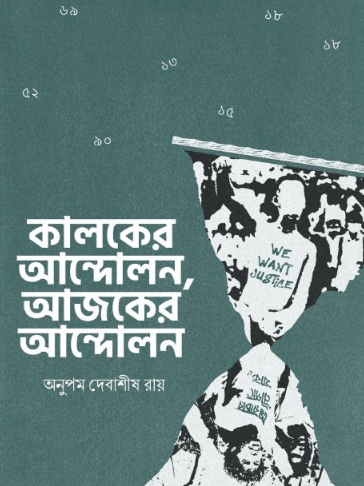
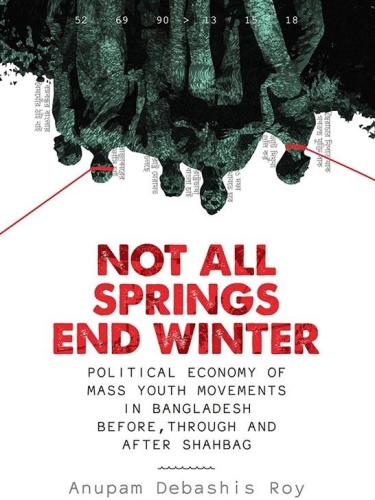
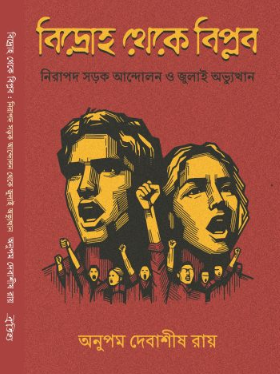
I am also the co-founder of Muktiforum, an anti-authoritarian platform dedicated to building a liberal, pluralist and pro-people society in Bangladesh, which, along with strong activism and public engagement work, brings out the magazine Muktipotro.
Muktipotro works on building future intellectuals and writers through the development of the abilities of young writers and contributing to their ongoing growth. I myself write there and advise the writers directly, which has been a longtime passion of mine.
I have been working with this organisation since 2017 and have been cultivating leaders among Bangladeshi youth who have gone on to become leading political figures in the country and beyond. In the future, I want to grow into a national political leader through my involvement with this organisation and the amazing support of my brilliant colleagues within it.
You can get in touch with Anupam via email, via his website or LinkedIn.